why is sodium kept in kerosene oil Why is sodium kept immersed in kerosene oil?
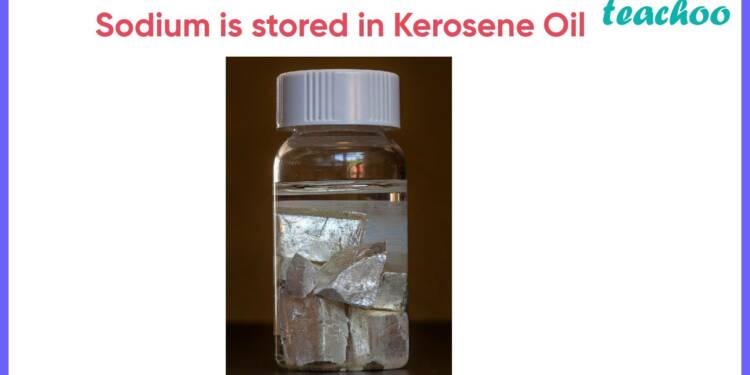
Sodium and potassium are two highly reactive alkali metals that are stored in kerosene oil to prevent them from reacting with air or water. This is because both sodium and potassium have a strong affinity towards oxygen and moisture, which can lead to the formation of oxides or hydroxides respectively. By immersing them in kerosene oil, these metals are protected from direct contact with the atmospheric gases and thereby remain stable.
Reasons for storing sodium and potassium in kerosene
2. Hindering Reaction with Water: Sodium and potassium are extremely reactive towards water. They can react vigorously, releasing hydrogen gas and forming alkaline hydroxides. These hydroxides are highly caustic and can cause severe burns when they come in contact with the skin. By keeping the metals immersed in kerosene, the direct contact with water is prevented, ensuring safety.
 It is crucial to handle and store sodium and potassium correctly due to their highly reactive nature. Ignoring proper storage procedures can lead to accidents, fires, and severe injuries. Here are a few reasons why storing them in kerosene is essential:
1. Explosion Hazard: Sodium and potassium react vigorously with water, producing hydrogen gas. If they come into contact with a large quantity of water, such as from air humidity or accidental spills, the rapid release of hydrogen gas can cause an explosion. Storing them in kerosene reduces the risk of explosions by preventing contact with water.
2. Fire Risk: When sodium or potassium reacts with air, they can ignite spontaneously and burn with a bright flame. Storing them in kerosene minimizes the chances of fire as they are kept away from the oxygen present in the air. This is especially important in laboratory settings where flammable substances are commonly used.
3. Preserving Purity: Sodium and potassium are often used in chemical reactions where their purity is crucial. Storing them in kerosene ensures that they remain free from impurities by preventing exposure to atmospheric gases, dust, and moisture.
Overall, storing sodium and potassium in kerosene is a safety measure that prevents unwanted reactions, explosions, and fires. It is a widely practiced method in laboratories, industries, and educational institutions to ensure the safe handling and storage of these highly reactive metals.
If you are looking for Most metal dipped in water sinks, but why does sodium float? - Quora you’ve came to the right page. We have 5 Pics about Most metal dipped in water sinks, but why does sodium float? - Quora like Give reasons why sodium and potassium are stored in kerosene?, why the sodium kept immersed kerosene oil? - Brainly.in and also why the sodium kept immersed kerosene oil? - Brainly.in. Here you go:
Most Metal Dipped In Water Sinks, But Why Does Sodium Float? - Quora
 www.quora.comWhy The Sodium Kept Immersed Kerosene Oil? - Brainly.in
brainly.inWhy Is Sodium Kept Immersed In Kerosene Oil?
 www.doubtnut.comGive Reasons Why Sodium And Potassium Are Stored In Kerosene?
 goprep.coWhy Is Sodium Kept Immersed In Kerosene Oil? Detail Explanation
 tfiglobalnews.comGive reasons why sodium and potassium are stored in kerosene?. Why is sodium kept immersed in kerosene oil?. Why the sodium kept immersed kerosene oil?